

Smart Home Integration with Solar and Battery
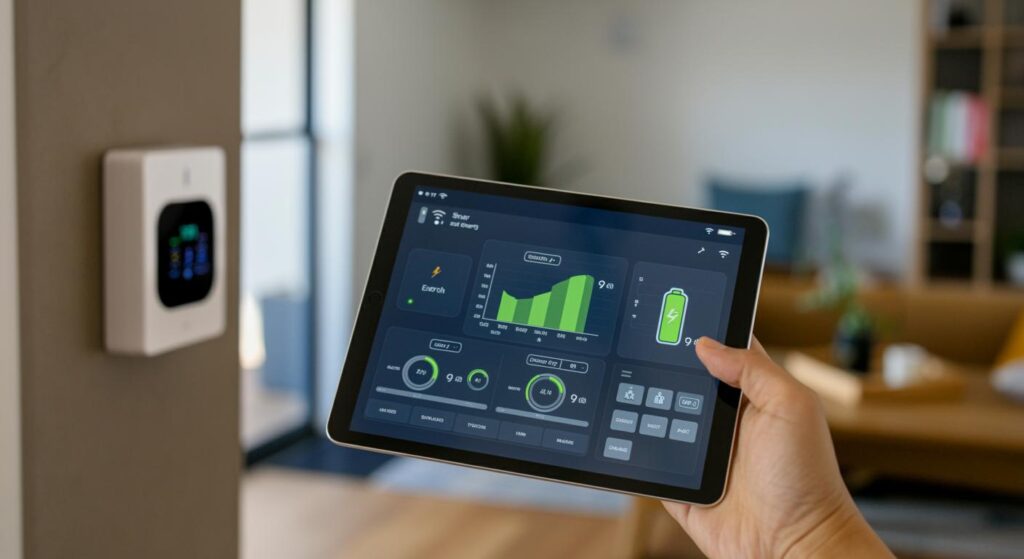
The modern Australian home is becoming increasingly intelligent, with smart devices and automation systems transforming how we live and manage our energy consumption. At the same time, solar panels and battery storage systems are becoming essential components of forward-thinking homes across Australia. When these technologies converge through smart home solar integration, the result is a powerful combination that maximises energy efficiency, reduces electricity bills, and creates a more sustainable lifestyle. Smart home technology paired with solar and battery systems represents the future of residential energy management. Our team has witnessed firsthand how homeowners who embrace this integration can achieve remarkable control over their energy usage while significantly reducing their reliance on the grid. The ability to monitor, control, and optimise your energy production and consumption from a single platform is revolutionising how Australian families approach their electricity needs. The benefits extend far beyond simple convenience – smart home solar integration enables homeowners to make informed decisions about their energy usage, automatically manage their systems for maximum efficiency, and even participate in virtual power plants that can provide additional income streams. As energy costs continue to rise across Australia, this integrated approach is becoming not just desirable, but essential for long-term financial planning. Understanding Smart Home Solar Integration Fundamentals Smart home solar integration involves connecting your solar panels, battery storage system, and home automation devices through intelligent monitoring and control platforms. This creates a unified ecosystem where your energy generation, storage, and consumption work together seamlessly. The foundation of this system relies on smart inverters and battery management systems that can communicate with various devices throughout your home. Modern inverter systems from manufacturers like Sigenergy and Foxess offer sophisticated monitoring capabilities that extend far beyond basic energy production tracking. These systems can interface with smart home platforms, allowing homeowners to create automated routines that optimise energy usage based on solar production, battery levels, and electricity pricing. Our experience with these advanced systems shows that proper integration can increase overall energy efficiency by up to 30%. The communication protocols used in smart home solar integration typically include WiFi, Ethernet, and increasingly, technologies like Modbus and CAN bus for more robust industrial-grade communications. This connectivity enables real-time data sharing between your solar panels, battery storage, smart meters, and home automation systems, creating opportunities for sophisticated energy management strategies that weren’t possible with traditional solar installations. Essential Components for Integrated Solar and Smart Home Systems A comprehensive smart home solar integration requires several key components working in harmony. The solar panels themselves form the foundation of energy generation, with high-efficiency options from manufacturers like JA Solar and Jinko providing reliable power production that can be monitored and managed through smart systems. These panels connect to intelligent inverters that not only convert DC power to AC but also provide the communication backbone for the entire system. Battery storage systems represent the heart of energy independence in smart home setups. Modern lithium battery solutions from brands like Sungrow and Anker Solix offer sophisticated battery management systems that can be programmed to charge and discharge based on various factors including time-of-use electricity pricing, weather forecasts, and household consumption patterns. Our customers frequently report that these intelligent battery systems have transformed their relationship with grid electricity. Smart meters and energy monitoring devices provide the data foundation that makes intelligent decision-making possible. These devices track energy production, consumption, and storage in real-time, feeding this information to home automation platforms and mobile applications. When combined with smart switches, thermostats, and appliance controllers, the entire home becomes responsive to energy availability and pricing conditions. Popular Smart Home Platforms and Solar Compatibility The Australian market offers numerous smart home platforms that can integrate effectively with solar and battery systems. Home Assistant has emerged as a particularly popular choice among technically-inclined homeowners due to its open-source nature and extensive compatibility with solar equipment. This platform can interface with most modern inverters and battery systems, creating sophisticated automation routines that optimise energy usage throughout the day. Commercial platforms like Google Home and Amazon Alexa also offer solar integration capabilities, though typically with more limited functionality compared to specialised energy management systems. Our team often recommends a hybrid approach where dedicated solar monitoring applications handle the heavy lifting of energy management while popular smart home platforms manage lighting, climate control, and appliance automation based on energy availability signals. Many inverter manufacturers now provide their own smart home integration solutions. Foxess and Sigenergy, for example, offer comprehensive monitoring and control applications that can interface with third-party smart home devices while providing detailed insights into system performance and energy flows. These manufacturer-specific solutions often provide the most seamless integration experience, as they’re designed specifically for the hardware components they support. Energy Management and Automation Strategies Effective smart home solar integration relies on sophisticated energy management strategies that automatically adjust household consumption based on solar production and battery status. Time-of-use optimisation represents one of the most impactful strategies, where the system automatically schedules energy-intensive activities like water heating, pool pumps, and appliance operation during peak solar production hours. Load shifting automation can dramatically reduce electricity bills by moving flexible loads to times when solar energy is abundant or electricity prices are low. Our customers have achieved significant savings by programming their systems to charge electric vehicles, run dishwashers and washing machines, and operate heat pumps during optimal energy windows. Advanced systems can even pre-cool or pre-heat homes using excess solar energy, reducing grid consumption during peak pricing periods. Weather-responsive automation takes energy management to the next level by incorporating weather forecasts into decision-making algorithms. On days when storms or heavy cloud cover are predicted, the system can prioritise battery charging and reduce discretionary energy usage to maintain energy security. Conversely, on forecast sunny days, the system can be more aggressive about using energy for comfort and convenience, knowing that ample solar production is expected. Advanced Automation Examples Real-world automation scenarios demonstrate the practical benefits of integrated systems. A properly configured smart home can automatically activate pool pumps