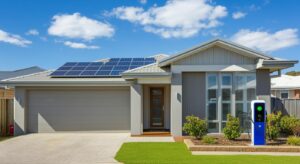
The Australian energy landscape is evolving at lightning speed, and homeowners who invest in solar today need to think beyond immediate savings. While reducing your electricity bills is certainly attractive, the real value lies in creating a future proof solar system that adapts to emerging technologies and changing energy needs. Our team has observed a significant shift in how Australians approach renewable energy, moving from simple grid-tied systems to comprehensive energy ecosystems that prepare households for decades ahead.
Future-proofing isn’t just about buying the best equipment available today – it’s about understanding where the energy market is heading and making strategic decisions that position your home to take advantage of new opportunities. From virtual power plants to electric vehicle integration, the next decade will bring innovations that could transform how your solar investment performs. We’ve helped thousands of Australian families navigate these decisions, and we’ve learned that the most satisfied customers are those who planned for tomorrow, not just today’s needs.
Understanding Australia’s Energy Evolution
Australia’s energy grid is undergoing the most significant transformation in its history, driven by climate commitments, technological advances, and consumer demand for energy independence. Our experience working across diverse Australian markets shows that early adopters consistently benefit most from these changes. The shift toward distributed energy resources means that homes with well-designed solar and battery systems become valuable assets in a modernised grid.
State governments continue to refine feed-in tariffs and introduce new incentives that reward grid-supportive behaviour. We’ve seen how policy changes affect different system configurations, and the trend clearly favours installations that offer flexibility and grid services. Forward-thinking homeowners are positioning themselves to capitalise on these opportunities by investing in systems that can evolve with regulatory changes.
The Australian Energy Market Operator’s forecasts indicate that by 2030, renewable energy will dominate the grid during daylight hours. This shift creates both challenges and opportunities for solar owners. Systems designed with future grid conditions in mind will thrive in this environment, while basic installations may struggle to deliver optimal returns as energy dynamics change.
Grid Modernisation and Smart Infrastructure
Smart grid technology is rolling out across Australia, enabling two-way communication between homes and energy networks. Our customers with compatible systems are already participating in demand response programs and earning additional income from their solar investments. These programs reward homeowners who can adjust their energy consumption or export patterns to support grid stability.
The integration of artificial intelligence and machine learning into grid management means that future-ready systems will need sophisticated monitoring and control capabilities. We recommend installations that include smart inverters and battery management systems capable of responding to grid signals and optimising performance automatically.
Building Your Future Proof Solar System Foundation
Creating a truly future-ready installation starts with understanding your household’s energy trajectory over the next 15-20 years. Our team works with families to map out likely changes such as electric vehicle adoption, pool installation, home office expansion, or aging-in-place modifications that might increase energy needs. This planning ensures your system can grow with your lifestyle rather than becoming a limiting factor.
Scalability should be built into every component decision, from panel layout to inverter selection. We’ve seen too many homeowners discover that their “complete” system can’t accommodate a simple addition because of poor initial planning. The most successful installations we’ve designed include expansion pathways that allow for additional panels, battery capacity, or new energy applications without major reconstruction.
Quality infrastructure pays dividends over time, especially as systems become more complex and interconnected. Our experience shows that investing in robust electrical installations, quality mounting systems, and professional cable management reduces future upgrade costs significantly. When new technologies emerge, well-built systems can adapt more easily and cost-effectively.
Strategic Equipment Selection
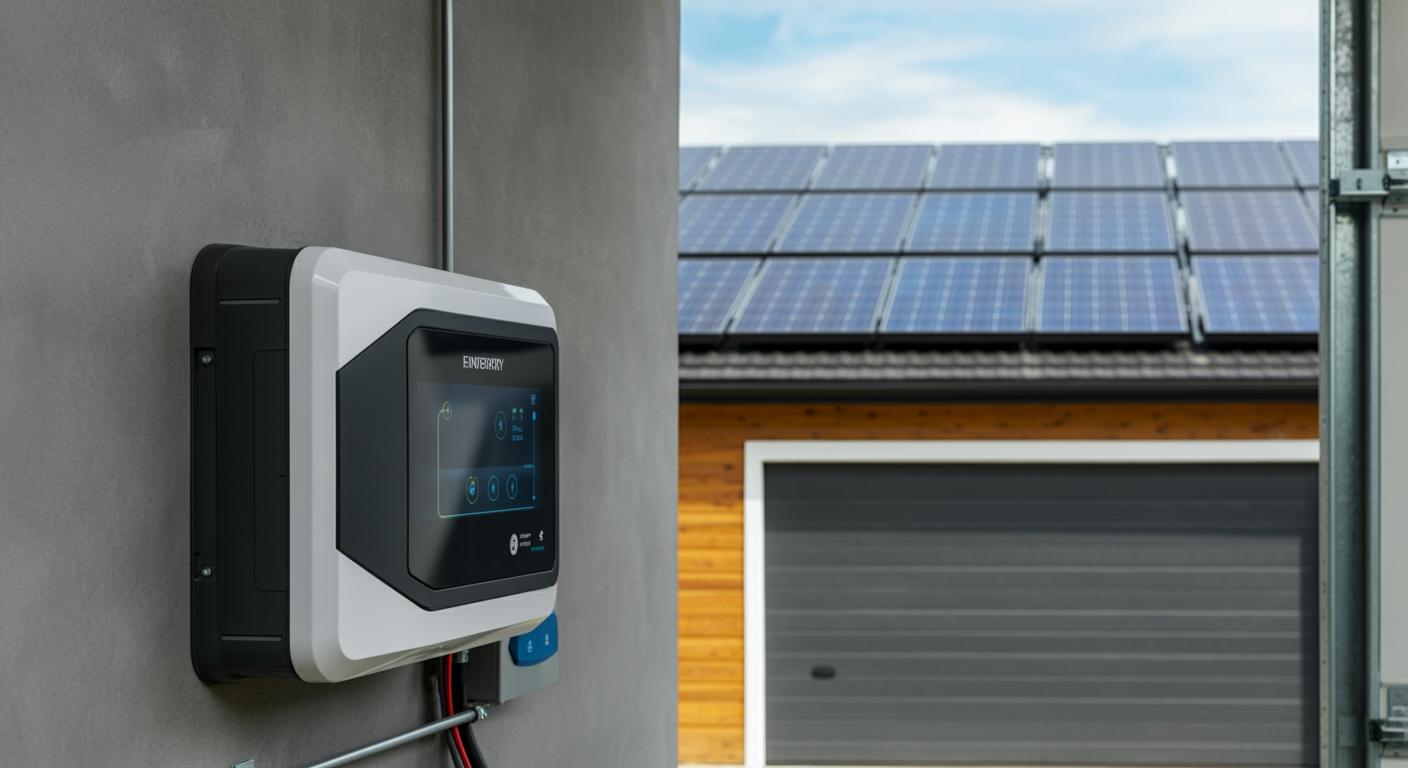
Modern inverter technology forms the heart of any future-ready system, and brands like Sigenergy and Sungrow are leading the development of multi-functional platforms that handle solar, battery storage, and grid interaction seamlessly. These advanced inverters include built-in intelligence that optimises energy flows and prepares your system for emerging applications like vehicle-to-grid integration.
Battery selection requires particular attention to expandability and compatibility. Systems from manufacturers like Foxess and Anker Solix offer modular designs that allow capacity increases as prices drop or needs change. We always recommend battery management systems that support over-the-air updates, ensuring your investment stays current with software improvements and new features.
Smart Energy Management and Home Automation
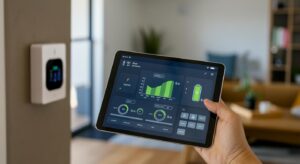
The convergence of renewable energy and smart home technology creates unprecedented opportunities for optimisation and convenience. Our customers who embrace integrated energy management report significantly better system performance and higher satisfaction with their solar investment. These systems learn household patterns and automatically adjust energy flows to maximise self-consumption and minimise grid dependence.
Advanced energy management platforms can coordinate multiple energy sources and loads, from solar panels and batteries to heat pumps and electric vehicle chargers. We’ve installed systems that automatically pre-heat water using excess solar production, charge batteries during off-peak periods, and even sell energy back to the grid during high-demand periods when prices spike.
The rise of time-of-use tariffs makes intelligent energy management even more valuable. Systems that can predict and respond to pricing signals ensure you’re always using the most cost-effective energy source available. Our monitoring data shows that homes with smart energy management typically achieve 20-30% better financial returns from their solar investment compared to basic installations.
Integration with Home Systems
Future-proof installations consider the entire home energy ecosystem, not just electricity generation. Heat pump hot water systems, particularly efficient models from Haier, can be programmed to operate during peak solar production hours, effectively storing solar energy as hot water. This integration maximises the value of every kilowatt-hour your panels produce.
Smart home platforms enable sophisticated automation scenarios that adapt to seasonal changes, weather forecasts, and household schedules. We’ve programmed systems that automatically adjust heating and cooling based on expected solar production, ensuring comfort while minimising grid consumption. These capabilities will become standard expectations as home energy systems mature.
Electric Vehicle Integration and Charging Infrastructure
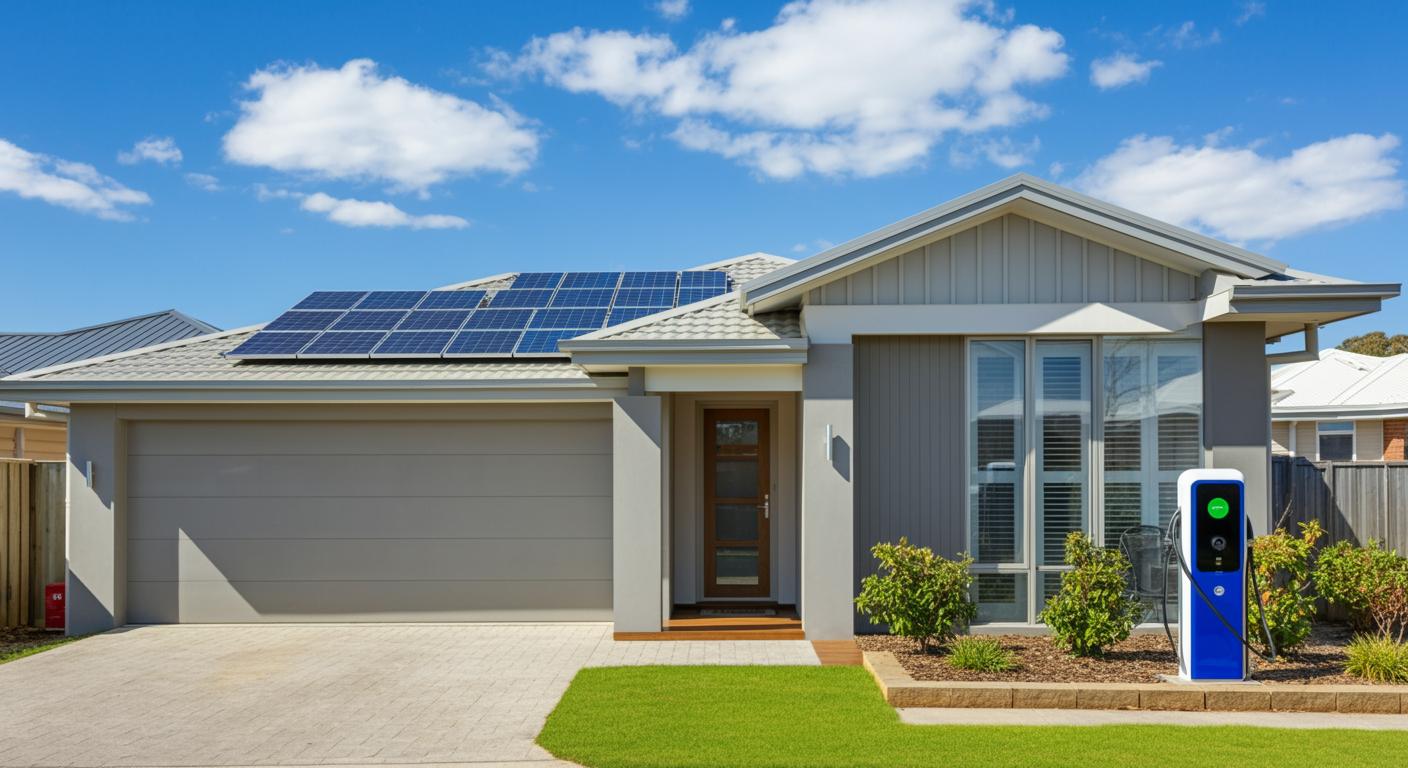
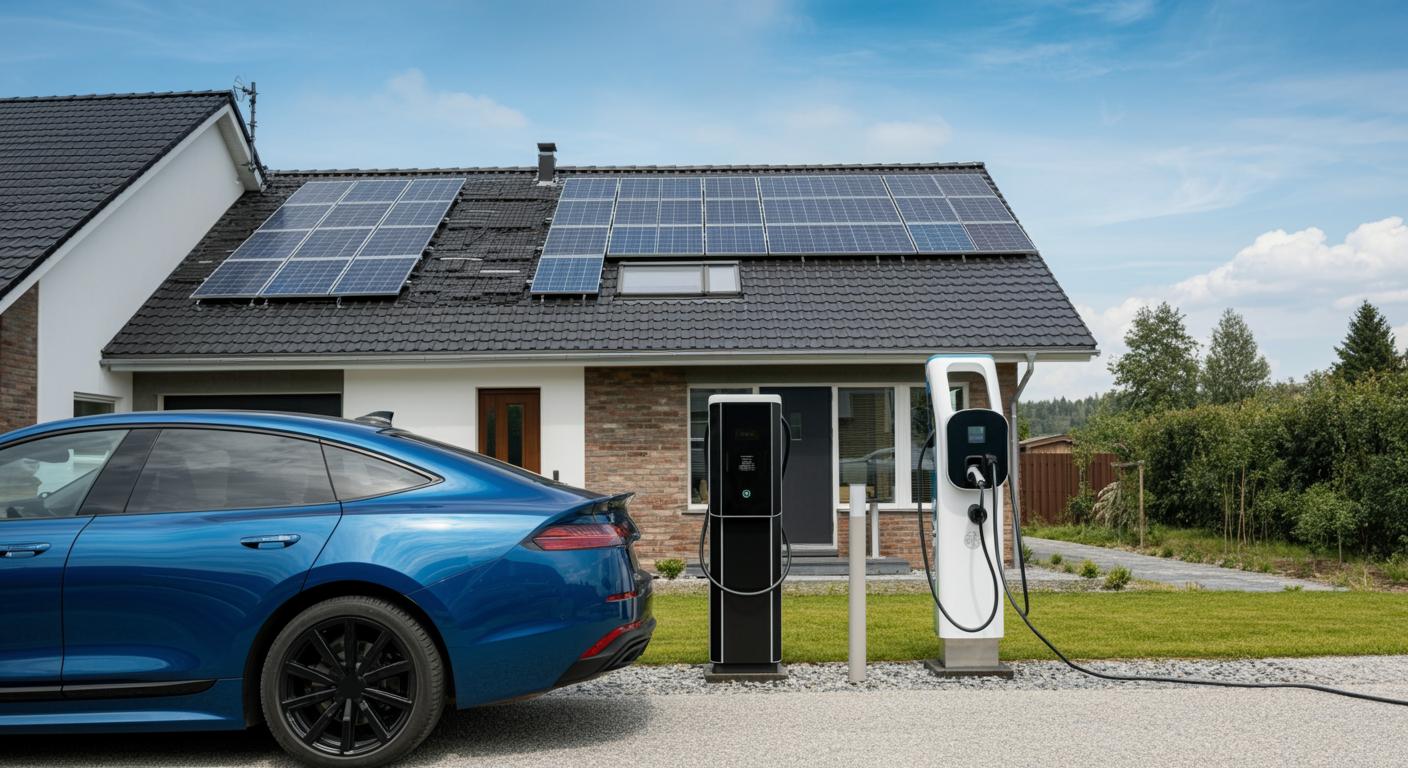
Electric vehicle adoption is accelerating across Australia, and EV integration represents one of the most significant opportunities for solar system owners. Our analysis shows that households with solar and EVs can achieve near-complete energy independence while dramatically reducing transportation costs. Planning for this integration during initial system design ensures seamless implementation when you’re ready to make the switch.
Vehicle-to-home and vehicle-to-grid technologies are emerging that will allow EVs to serve as massive mobile batteries, providing backup power during outages and even selling energy back to the grid during peak periods. Systems designed with bi-directional capabilities can take advantage of these opportunities as the technology becomes commercially available.
The key to successful EV integration lies in having sufficient solar capacity and smart charging infrastructure. We typically recommend oversizing solar installations for households planning EV adoption, as the additional panels pay for themselves quickly once electric vehicle charging begins. Smart charging systems can be programmed to prioritise solar energy, charging vehicles only when excess production is available.
Preparing for Bi-directional Charging
Forward-thinking homeowners are installing EV charging infrastructure with bi-directional capability, even if their current vehicle doesn’t support it. This preparation ensures they can take full advantage of vehicle-to-home power when they upgrade their vehicle. We work with electrical contractors to install appropriate circuit protection and metering infrastructure that supports future bi-directional operation.
The regulatory framework for vehicle-to-grid services is still developing, but early indications suggest significant earning potential for participants. Homes with compatible solar, battery, and EV infrastructure will be best positioned to benefit from these programs as they become available across Australian electricity markets.
Battery Storage Evolution and Energy Independence
Battery technology continues advancing rapidly, with new chemistries and management systems delivering better performance, longer life, and improved safety. Our customers benefit from staying informed about these developments, as battery upgrades often provide the most dramatic improvements to system performance and energy independence. Modern battery systems like those from Sigenergy and Sungrow include sophisticated monitoring that provides valuable insights into household energy patterns.
The concept of energy independence is evolving beyond simple backup power to include participation in energy markets and community energy sharing. Advanced battery systems can provide multiple revenue streams, from peak shaving and demand response to frequency regulation services. We design installations that can access these opportunities while maintaining reliable home energy supply.
Virtual power plant participation represents an exciting development for battery owners, allowing individual systems to combine forces and provide grid services typically reserved for large power stations. Our customers participating in VPP programs report additional annual earnings while contributing to grid stability and renewable energy integration.
Modular Battery Design
The most future-ready battery installations use modular designs that allow capacity expansion as needs change or technology improves. Brands like Foxess and Anker Solix offer systems where additional battery modules can be added without replacing existing equipment. This approach protects your initial investment while providing upgrade pathways as your energy needs evolve.
We always recommend battery management systems that support over-the-air updates and can integrate with new battery technologies as they become available. This flexibility ensures your system remains current with the latest optimisation algorithms and safety features throughout its operational life.
Monitoring and Optimisation Technologies
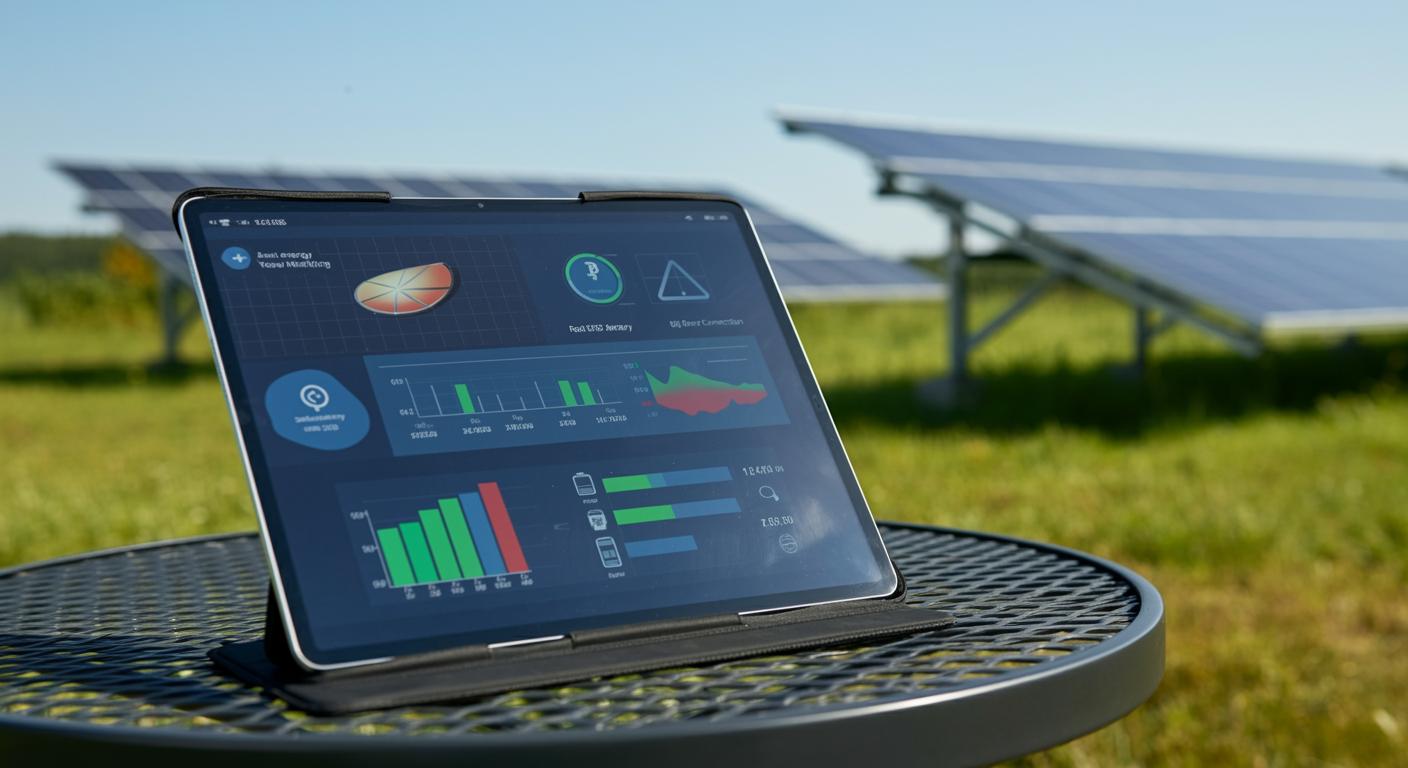
Comprehensive monitoring forms the foundation of any future-proof solar system, providing the data needed to optimise performance and identify opportunities for improvement. Modern monitoring platforms offer real-time insights into energy production, consumption, and system health, enabling proactive maintenance and performance optimisation. Our experience shows that well-monitored systems consistently outperform installations with basic or no monitoring capabilities.
Artificial intelligence and machine learning are transforming how solar systems operate, with smart algorithms that learn household patterns and optimise energy flows automatically. These systems can predict energy needs, weather patterns, and grid conditions to make intelligent decisions about when to charge batteries, export power, or adjust home energy consumption.
Predictive maintenance capabilities are becoming standard in premium monitoring platforms, alerting homeowners to potential issues before they affect system performance. We’ve helped customers avoid significant repair costs by addressing problems identified through advanced monitoring before they caused system failures or safety concerns.
Data-Driven Decision Making
The wealth of data generated by modern solar systems enables increasingly sophisticated optimisation strategies. Machine learning algorithms can identify patterns in energy consumption and production that humans might miss, automatically adjusting system operation to maximise performance and returns. This capability becomes more valuable as energy systems become more complex and interconnected.
Advanced monitoring platforms also enable remote system management and troubleshooting, reducing service costs and minimising system downtime. Our technical team can often resolve issues remotely or arrive on-site with exactly the right parts and information needed to complete repairs efficiently.
Financial Planning and Investment Protection
Future-proofing your solar investment requires understanding the long-term financial implications of different system configurations and upgrade pathways. Our team helps homeowners model various scenarios, from basic solar installations to comprehensive energy ecosystems, showing how different approaches perform under changing market conditions. This analysis often reveals that investing in flexibility and upgradability delivers better long-term returns than choosing the cheapest initial option.
Component warranties and service support become increasingly important as systems become more sophisticated and valuable. We work exclusively with manufacturers who demonstrate long-term commitment to product support and continuous improvement. Brands like JA Solar, Jinko, Canadian Solar, and Longi have established strong Australian service networks that provide confidence in long-term support availability.
The financing landscape for solar and battery systems continues evolving, with new products designed specifically for expandable and upgradeable installations. We help customers structure their investments to take advantage of available incentives while maintaining flexibility for future enhancements. Understanding the tax implications and depreciation benefits of different approaches ensures you maximise the financial benefits of your solar investment.
Creating a future proof solar system requires careful planning, quality components, and expert design that considers both current needs and emerging opportunities. Our team has the experience and industry relationships to guide you through these complex decisions, ensuring your solar investment delivers maximum value for decades to come. If you’re ready to explore how solar and battery storage can prepare your home for Australia’s energy future, contact us today for a comprehensive consultation tailored to your specific situation and goals.