
Future-Proofing Your Solar: Prepare for Energy Trends
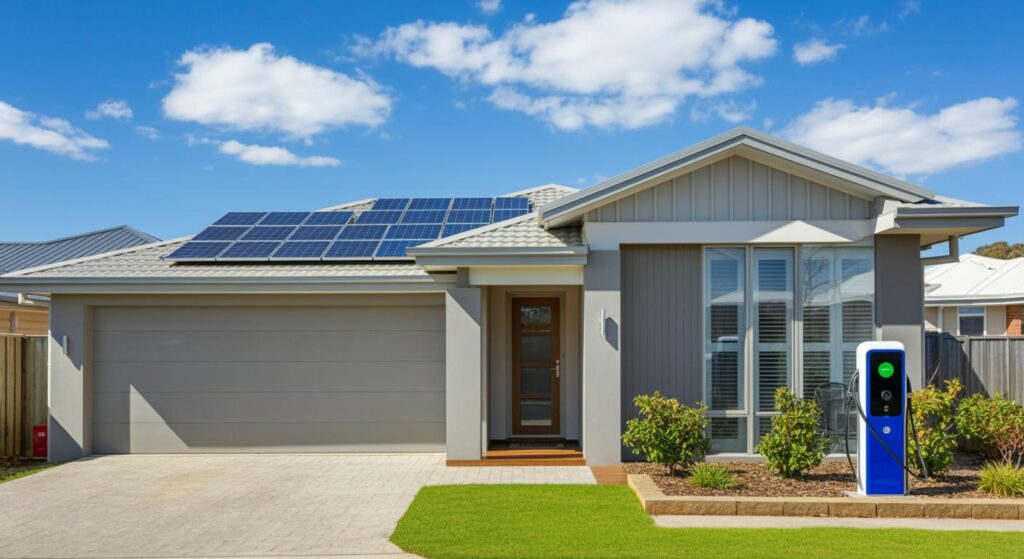
The Australian energy landscape is evolving at lightning speed, and homeowners who invest in solar today need to think beyond immediate savings. While reducing your electricity bills is certainly attractive, the real value lies in creating a future proof solar system that adapts to emerging technologies and changing energy needs. Our team has observed a significant shift in how Australians approach renewable energy, moving from simple grid-tied systems to comprehensive energy ecosystems that prepare households for decades ahead. Future-proofing isn’t just about buying the best equipment available today – it’s about understanding where the energy market is heading and making strategic decisions that position your home to take advantage of new opportunities. From virtual power plants to electric vehicle integration, the next decade will bring innovations that could transform how your solar investment performs. We’ve helped thousands of Australian families navigate these decisions, and we’ve learned that the most satisfied customers are those who planned for tomorrow, not just today’s needs. Understanding Australia’s Energy Evolution Australia’s energy grid is undergoing the most significant transformation in its history, driven by climate commitments, technological advances, and consumer demand for energy independence. Our experience working across diverse Australian markets shows that early adopters consistently benefit most from these changes. The shift toward distributed energy resources means that homes with well-designed solar and battery systems become valuable assets in a modernised grid. State governments continue to refine feed-in tariffs and introduce new incentives that reward grid-supportive behaviour. We’ve seen how policy changes affect different system configurations, and the trend clearly favours installations that offer flexibility and grid services. Forward-thinking homeowners are positioning themselves to capitalise on these opportunities by investing in systems that can evolve with regulatory changes. The Australian Energy Market Operator’s forecasts indicate that by 2030, renewable energy will dominate the grid during daylight hours. This shift creates both challenges and opportunities for solar owners. Systems designed with future grid conditions in mind will thrive in this environment, while basic installations may struggle to deliver optimal returns as energy dynamics change. Grid Modernisation and Smart Infrastructure Smart grid technology is rolling out across Australia, enabling two-way communication between homes and energy networks. Our customers with compatible systems are already participating in demand response programs and earning additional income from their solar investments. These programs reward homeowners who can adjust their energy consumption or export patterns to support grid stability. The integration of artificial intelligence and machine learning into grid management means that future-ready systems will need sophisticated monitoring and control capabilities. We recommend installations that include smart inverters and battery management systems capable of responding to grid signals and optimising performance automatically. Building Your Future Proof Solar System Foundation Creating a truly future-ready installation starts with understanding your household’s energy trajectory over the next 15-20 years. Our team works with families to map out likely changes such as electric vehicle adoption, pool installation, home office expansion, or aging-in-place modifications that might increase energy needs. This planning ensures your system can grow with your lifestyle rather than becoming a limiting factor. Scalability should be built into every component decision, from panel layout to inverter selection. We’ve seen too many homeowners discover that their “complete” system can’t accommodate a simple addition because of poor initial planning. The most successful installations we’ve designed include expansion pathways that allow for additional panels, battery capacity, or new energy applications without major reconstruction. Quality infrastructure pays dividends over time, especially as systems become more complex and interconnected. Our experience shows that investing in robust electrical installations, quality mounting systems, and professional cable management reduces future upgrade costs significantly. When new technologies emerge, well-built systems can adapt more easily and cost-effectively. Strategic Equipment Selection Modern inverter technology forms the heart of any future-ready system, and brands like Sigenergy and Sungrow are leading the development of multi-functional platforms that handle solar, battery storage, and grid interaction seamlessly. These advanced inverters include built-in intelligence that optimises energy flows and prepares your system for emerging applications like vehicle-to-grid integration. Battery selection requires particular attention to expandability and compatibility. Systems from manufacturers like Foxess and Anker Solix offer modular designs that allow capacity increases as prices drop or needs change. We always recommend battery management systems that support over-the-air updates, ensuring your investment stays current with software improvements and new features. Smart Energy Management and Home Automation The convergence of renewable energy and smart home technology creates unprecedented opportunities for optimisation and convenience. Our customers who embrace integrated energy management report significantly better system performance and higher satisfaction with their solar investment. These systems learn household patterns and automatically adjust energy flows to maximise self-consumption and minimise grid dependence. Advanced energy management platforms can coordinate multiple energy sources and loads, from solar panels and batteries to heat pumps and electric vehicle chargers. We’ve installed systems that automatically pre-heat water using excess solar production, charge batteries during off-peak periods, and even sell energy back to the grid during high-demand periods when prices spike. The rise of time-of-use tariffs makes intelligent energy management even more valuable. Systems that can predict and respond to pricing signals ensure you’re always using the most cost-effective energy source available. Our monitoring data shows that homes with smart energy management typically achieve 20-30% better financial returns from their solar investment compared to basic installations. Integration with Home Systems Future-proof installations consider the entire home energy ecosystem, not just electricity generation. Heat pump hot water systems, particularly efficient models from Haier, can be programmed to operate during peak solar production hours, effectively storing solar energy as hot water. This integration maximises the value of every kilowatt-hour your panels produce. Smart home platforms enable sophisticated automation scenarios that adapt to seasonal changes, weather forecasts, and household schedules. We’ve programmed systems that automatically adjust heating and cooling based on expected solar production, ensuring comfort while minimising grid consumption. These capabilities will become standard expectations as home energy systems mature. Electric Vehicle Integration and Charging Infrastructure Electric vehicle adoption is accelerating across Australia,
Solar During Blackouts: What Actually Happens?
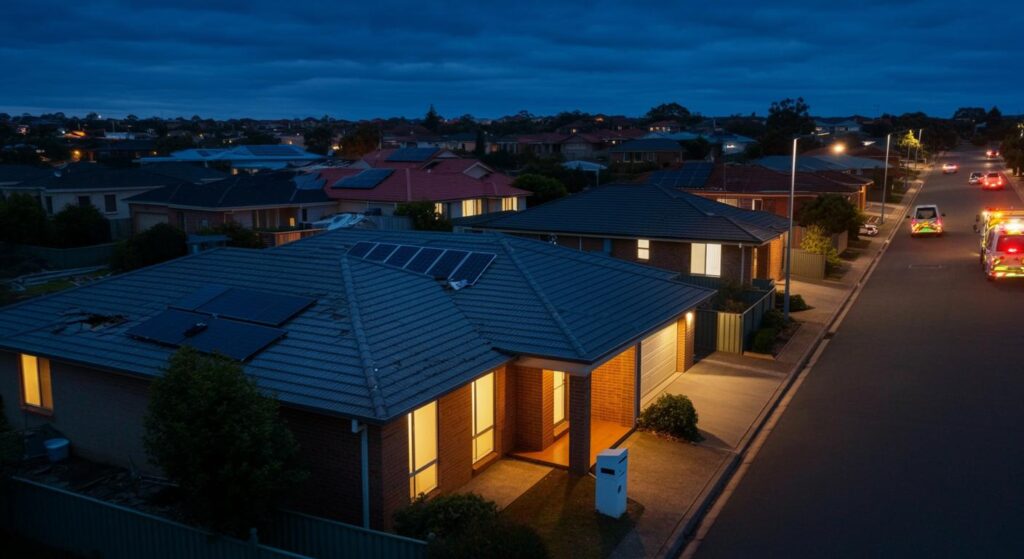
Picture this: you’re settling in for the evening when suddenly the lights go out across your neighbourhood. While your neighbours scramble for torches and candles, you might wonder whether your rooftop solar panels could keep your home powered through the darkness. It’s a question we hear regularly from Australian homeowners, and the answer isn’t as straightforward as many people expect. The reality of solar power during blackout situations depends entirely on your system setup. Standard grid-tied solar installations will actually shut down during power outages for safety reasons, leaving you in the same situation as your non-solar neighbours. However, with the right equipment and configuration, solar can indeed provide backup power when you need it most. At Tiito, we help Australian homeowners understand exactly what happens when the grid goes down and how to prepare for these situations. Let’s explore the fascinating world of solar systems during blackouts and discover your options for maintaining power when everyone else is left in the dark. Why Standard Solar Systems Shut Down During Blackouts Most Australian homes with solar panels have what’s called a grid-tied system, which connects directly to the electricity network. When a blackout occurs, these systems are designed to automatically disconnect from the grid within seconds. This might seem counterintuitive – after all, if the sun is shining and your panels are generating electricity, why can’t you use it? The answer lies in safety regulations that protect electricity workers. When linesmen are repairing power lines during an outage, they need absolute certainty that no electricity is flowing through the wires. Solar panels continuing to feed power into the grid could create deadly conditions for these essential workers. This safety feature, called anti-islanding protection, is mandatory in all Australian grid-connected solar installations. Our team regularly explains to customers that this shutdown happens regardless of whether it’s a sunny day with perfect solar generation conditions. The inverter, which converts the DC power from your panels into usable AC electricity, receives a signal that the grid is down and immediately stops all power conversion. Even though your panels are still capturing sunlight, that energy has nowhere to go safely. This safety mechanism is built into all standard inverters, including the Sungrow, Foxess, and Sigenergy models we commonly install. It’s a crucial protection system that can’t be bypassed without specialised equipment and proper safety measures in place. How Battery Storage Changes the Game Battery storage systems fundamentally alter what happens with solar power during blackout scenarios. When you add a battery to your solar setup, you create what’s essentially a private mini-grid that can operate independently from the main electricity network. This capability, known as islanding or backup power mode, allows your home to continue running on stored solar energy even when the neighbourhood is without power. Modern battery systems like those from Sigenergy and Foxess include sophisticated inverters that can detect grid outages and seamlessly switch your home to battery power within milliseconds. This transition happens so quickly that sensitive electronics like computers often don’t even register the change. We’ve had customers tell us they only realised there was a blackout when they noticed their neighbours’ homes were dark. The process works by isolating your home’s electrical system from the grid and creating a protected circuit that runs on battery power. During daylight hours, your solar panels can continue generating electricity to both power your home and recharge your batteries, extending your backup power duration significantly. This setup provides genuine energy independence during outages. However, it’s important to understand that not all loads in your home will necessarily be backed up. Most battery installations are configured to power essential circuits only – things like lights, refrigeration, communication devices, and critical appliances. High-power devices like electric hot water systems, pool pumps, or air conditioning units are often excluded to preserve battery capacity for longer backup duration. Types of Backup Power Solutions Whole Home Backup Some homeowners choose whole home backup systems that can power every circuit in their house during outages. These setups require larger battery banks and more sophisticated switching equipment. Brands like Sigenergy offer comprehensive solutions that can handle substantial loads, though the backup duration will depend on your energy consumption and battery capacity. Whole home backup provides the ultimate convenience – you can continue living normally during power outages without worrying about which appliances you can use. However, this approach requires significant investment in battery storage and careful planning to ensure the system can handle peak loads like starting motors on large appliances. Essential Loads Backup More commonly, we design systems around essential loads backup, which powers a pre-selected group of circuits during outages. This approach maximises backup duration while keeping costs reasonable. Essential circuits typically include lighting, refrigerators, communication devices, medical equipment, and selected power outlets throughout the home. Our experience shows that most families can maintain comfortable living conditions with well-planned essential loads backup. The key is identifying which circuits are truly necessary during an outage and sizing the battery system accordingly. This approach provides excellent value while ensuring you have power for the things that matter most. What Happens During Different Outage Scenarios The performance of your solar and battery system during blackouts varies significantly depending on when the outage occurs and how long it lasts. Understanding these scenarios helps homeowners set realistic expectations and plan their energy use during emergencies. During daytime outages on sunny days, homes with battery backup experience optimal conditions. Solar panels continue generating electricity to power the house while simultaneously recharging the batteries. In many cases, the batteries will reach full charge even while supplying the home’s energy needs. Our customers often find they can run indefinitely during sunny weather outages, limited only by equipment reliability rather than energy availability. Nighttime or overcast day outages rely entirely on stored battery energy. The backup duration depends on your battery capacity and energy consumption patterns. A typical home with essential loads backup and a moderately sized battery system like those offered by Anker Solix
Smart Home Integration with Solar and Battery
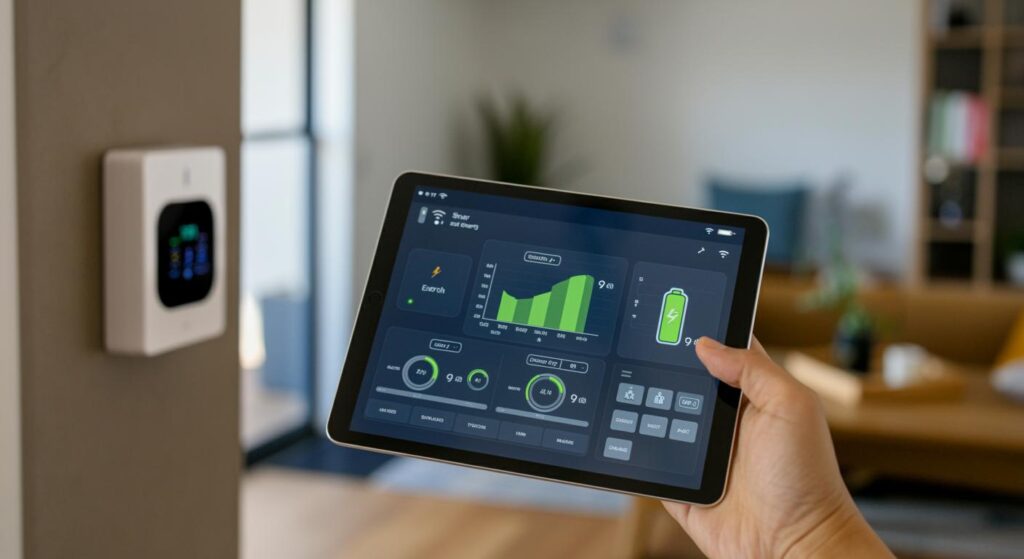
The modern Australian home is becoming increasingly intelligent, with smart devices and automation systems transforming how we live and manage our energy consumption. At the same time, solar panels and battery storage systems are becoming essential components of forward-thinking homes across Australia. When these technologies converge through smart home solar integration, the result is a powerful combination that maximises energy efficiency, reduces electricity bills, and creates a more sustainable lifestyle. Smart home technology paired with solar and battery systems represents the future of residential energy management. Our team has witnessed firsthand how homeowners who embrace this integration can achieve remarkable control over their energy usage while significantly reducing their reliance on the grid. The ability to monitor, control, and optimise your energy production and consumption from a single platform is revolutionising how Australian families approach their electricity needs. The benefits extend far beyond simple convenience – smart home solar integration enables homeowners to make informed decisions about their energy usage, automatically manage their systems for maximum efficiency, and even participate in virtual power plants that can provide additional income streams. As energy costs continue to rise across Australia, this integrated approach is becoming not just desirable, but essential for long-term financial planning. Understanding Smart Home Solar Integration Fundamentals Smart home solar integration involves connecting your solar panels, battery storage system, and home automation devices through intelligent monitoring and control platforms. This creates a unified ecosystem where your energy generation, storage, and consumption work together seamlessly. The foundation of this system relies on smart inverters and battery management systems that can communicate with various devices throughout your home. Modern inverter systems from manufacturers like Sigenergy and Foxess offer sophisticated monitoring capabilities that extend far beyond basic energy production tracking. These systems can interface with smart home platforms, allowing homeowners to create automated routines that optimise energy usage based on solar production, battery levels, and electricity pricing. Our experience with these advanced systems shows that proper integration can increase overall energy efficiency by up to 30%. The communication protocols used in smart home solar integration typically include WiFi, Ethernet, and increasingly, technologies like Modbus and CAN bus for more robust industrial-grade communications. This connectivity enables real-time data sharing between your solar panels, battery storage, smart meters, and home automation systems, creating opportunities for sophisticated energy management strategies that weren’t possible with traditional solar installations. Essential Components for Integrated Solar and Smart Home Systems A comprehensive smart home solar integration requires several key components working in harmony. The solar panels themselves form the foundation of energy generation, with high-efficiency options from manufacturers like JA Solar and Jinko providing reliable power production that can be monitored and managed through smart systems. These panels connect to intelligent inverters that not only convert DC power to AC but also provide the communication backbone for the entire system. Battery storage systems represent the heart of energy independence in smart home setups. Modern lithium battery solutions from brands like Sungrow and Anker Solix offer sophisticated battery management systems that can be programmed to charge and discharge based on various factors including time-of-use electricity pricing, weather forecasts, and household consumption patterns. Our customers frequently report that these intelligent battery systems have transformed their relationship with grid electricity. Smart meters and energy monitoring devices provide the data foundation that makes intelligent decision-making possible. These devices track energy production, consumption, and storage in real-time, feeding this information to home automation platforms and mobile applications. When combined with smart switches, thermostats, and appliance controllers, the entire home becomes responsive to energy availability and pricing conditions. Popular Smart Home Platforms and Solar Compatibility The Australian market offers numerous smart home platforms that can integrate effectively with solar and battery systems. Home Assistant has emerged as a particularly popular choice among technically-inclined homeowners due to its open-source nature and extensive compatibility with solar equipment. This platform can interface with most modern inverters and battery systems, creating sophisticated automation routines that optimise energy usage throughout the day. Commercial platforms like Google Home and Amazon Alexa also offer solar integration capabilities, though typically with more limited functionality compared to specialised energy management systems. Our team often recommends a hybrid approach where dedicated solar monitoring applications handle the heavy lifting of energy management while popular smart home platforms manage lighting, climate control, and appliance automation based on energy availability signals. Many inverter manufacturers now provide their own smart home integration solutions. Foxess and Sigenergy, for example, offer comprehensive monitoring and control applications that can interface with third-party smart home devices while providing detailed insights into system performance and energy flows. These manufacturer-specific solutions often provide the most seamless integration experience, as they’re designed specifically for the hardware components they support. Energy Management and Automation Strategies Effective smart home solar integration relies on sophisticated energy management strategies that automatically adjust household consumption based on solar production and battery status. Time-of-use optimisation represents one of the most impactful strategies, where the system automatically schedules energy-intensive activities like water heating, pool pumps, and appliance operation during peak solar production hours. Load shifting automation can dramatically reduce electricity bills by moving flexible loads to times when solar energy is abundant or electricity prices are low. Our customers have achieved significant savings by programming their systems to charge electric vehicles, run dishwashers and washing machines, and operate heat pumps during optimal energy windows. Advanced systems can even pre-cool or pre-heat homes using excess solar energy, reducing grid consumption during peak pricing periods. Weather-responsive automation takes energy management to the next level by incorporating weather forecasts into decision-making algorithms. On days when storms or heavy cloud cover are predicted, the system can prioritise battery charging and reduce discretionary energy usage to maintain energy security. Conversely, on forecast sunny days, the system can be more aggressive about using energy for comfort and convenience, knowing that ample solar production is expected. Advanced Automation Examples Real-world automation scenarios demonstrate the practical benefits of integrated systems. A properly configured smart home can automatically activate pool pumps