
Future-Proofing Your Solar: Prepare for Energy Trends
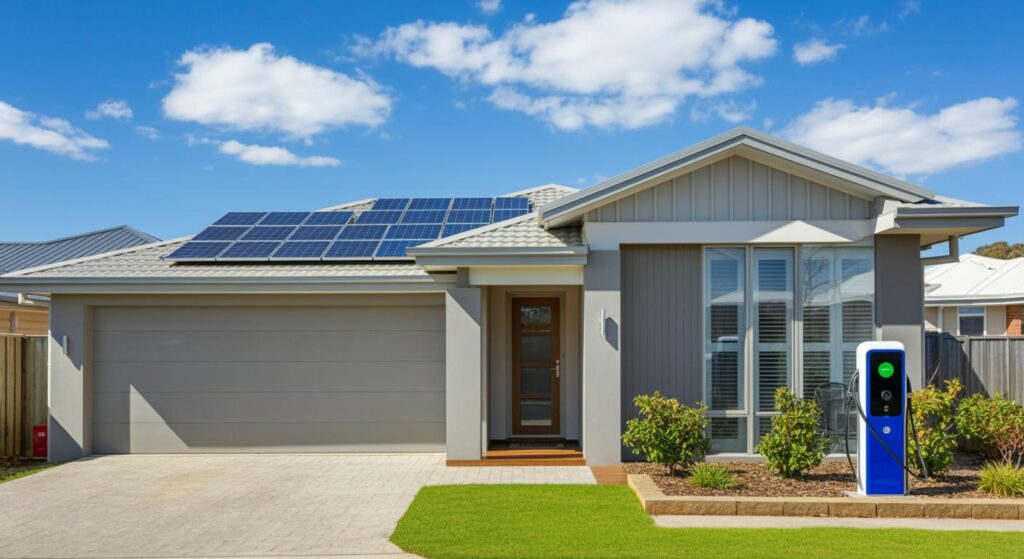
The Australian energy landscape is evolving at lightning speed, and homeowners who invest in solar today need to think beyond immediate savings. While reducing your electricity bills is certainly attractive, the real value lies in creating a future proof solar system that adapts to emerging technologies and changing energy needs. Our team has observed a significant shift in how Australians approach renewable energy, moving from simple grid-tied systems to comprehensive energy ecosystems that prepare households for decades ahead. Future-proofing isn’t just about buying the best equipment available today – it’s about understanding where the energy market is heading and making strategic decisions that position your home to take advantage of new opportunities. From virtual power plants to electric vehicle integration, the next decade will bring innovations that could transform how your solar investment performs. We’ve helped thousands of Australian families navigate these decisions, and we’ve learned that the most satisfied customers are those who planned for tomorrow, not just today’s needs. Understanding Australia’s Energy Evolution Australia’s energy grid is undergoing the most significant transformation in its history, driven by climate commitments, technological advances, and consumer demand for energy independence. Our experience working across diverse Australian markets shows that early adopters consistently benefit most from these changes. The shift toward distributed energy resources means that homes with well-designed solar and battery systems become valuable assets in a modernised grid. State governments continue to refine feed-in tariffs and introduce new incentives that reward grid-supportive behaviour. We’ve seen how policy changes affect different system configurations, and the trend clearly favours installations that offer flexibility and grid services. Forward-thinking homeowners are positioning themselves to capitalise on these opportunities by investing in systems that can evolve with regulatory changes. The Australian Energy Market Operator’s forecasts indicate that by 2030, renewable energy will dominate the grid during daylight hours. This shift creates both challenges and opportunities for solar owners. Systems designed with future grid conditions in mind will thrive in this environment, while basic installations may struggle to deliver optimal returns as energy dynamics change. Grid Modernisation and Smart Infrastructure Smart grid technology is rolling out across Australia, enabling two-way communication between homes and energy networks. Our customers with compatible systems are already participating in demand response programs and earning additional income from their solar investments. These programs reward homeowners who can adjust their energy consumption or export patterns to support grid stability. The integration of artificial intelligence and machine learning into grid management means that future-ready systems will need sophisticated monitoring and control capabilities. We recommend installations that include smart inverters and battery management systems capable of responding to grid signals and optimising performance automatically. Building Your Future Proof Solar System Foundation Creating a truly future-ready installation starts with understanding your household’s energy trajectory over the next 15-20 years. Our team works with families to map out likely changes such as electric vehicle adoption, pool installation, home office expansion, or aging-in-place modifications that might increase energy needs. This planning ensures your system can grow with your lifestyle rather than becoming a limiting factor. Scalability should be built into every component decision, from panel layout to inverter selection. We’ve seen too many homeowners discover that their “complete” system can’t accommodate a simple addition because of poor initial planning. The most successful installations we’ve designed include expansion pathways that allow for additional panels, battery capacity, or new energy applications without major reconstruction. Quality infrastructure pays dividends over time, especially as systems become more complex and interconnected. Our experience shows that investing in robust electrical installations, quality mounting systems, and professional cable management reduces future upgrade costs significantly. When new technologies emerge, well-built systems can adapt more easily and cost-effectively. Strategic Equipment Selection Modern inverter technology forms the heart of any future-ready system, and brands like Sigenergy and Sungrow are leading the development of multi-functional platforms that handle solar, battery storage, and grid interaction seamlessly. These advanced inverters include built-in intelligence that optimises energy flows and prepares your system for emerging applications like vehicle-to-grid integration. Battery selection requires particular attention to expandability and compatibility. Systems from manufacturers like Foxess and Anker Solix offer modular designs that allow capacity increases as prices drop or needs change. We always recommend battery management systems that support over-the-air updates, ensuring your investment stays current with software improvements and new features. Smart Energy Management and Home Automation The convergence of renewable energy and smart home technology creates unprecedented opportunities for optimisation and convenience. Our customers who embrace integrated energy management report significantly better system performance and higher satisfaction with their solar investment. These systems learn household patterns and automatically adjust energy flows to maximise self-consumption and minimise grid dependence. Advanced energy management platforms can coordinate multiple energy sources and loads, from solar panels and batteries to heat pumps and electric vehicle chargers. We’ve installed systems that automatically pre-heat water using excess solar production, charge batteries during off-peak periods, and even sell energy back to the grid during high-demand periods when prices spike. The rise of time-of-use tariffs makes intelligent energy management even more valuable. Systems that can predict and respond to pricing signals ensure you’re always using the most cost-effective energy source available. Our monitoring data shows that homes with smart energy management typically achieve 20-30% better financial returns from their solar investment compared to basic installations. Integration with Home Systems Future-proof installations consider the entire home energy ecosystem, not just electricity generation. Heat pump hot water systems, particularly efficient models from Haier, can be programmed to operate during peak solar production hours, effectively storing solar energy as hot water. This integration maximises the value of every kilowatt-hour your panels produce. Smart home platforms enable sophisticated automation scenarios that adapt to seasonal changes, weather forecasts, and household schedules. We’ve programmed systems that automatically adjust heating and cooling based on expected solar production, ensuring comfort while minimising grid consumption. These capabilities will become standard expectations as home energy systems mature. Electric Vehicle Integration and Charging Infrastructure Electric vehicle adoption is accelerating across Australia,