
Solar During Blackouts: What Actually Happens?
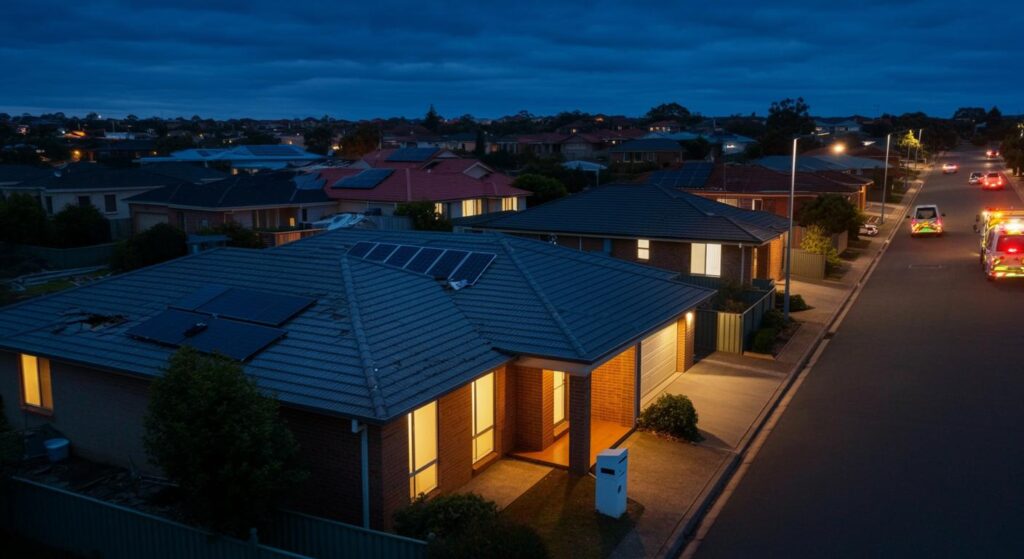
Picture this: you’re settling in for the evening when suddenly the lights go out across your neighbourhood. While your neighbours scramble for torches and candles, you might wonder whether your rooftop solar panels could keep your home powered through the darkness. It’s a question we hear regularly from Australian homeowners, and the answer isn’t as straightforward as many people expect. The reality of solar power during blackout situations depends entirely on your system setup. Standard grid-tied solar installations will actually shut down during power outages for safety reasons, leaving you in the same situation as your non-solar neighbours. However, with the right equipment and configuration, solar can indeed provide backup power when you need it most. At Tiito, we help Australian homeowners understand exactly what happens when the grid goes down and how to prepare for these situations. Let’s explore the fascinating world of solar systems during blackouts and discover your options for maintaining power when everyone else is left in the dark. Why Standard Solar Systems Shut Down During Blackouts Most Australian homes with solar panels have what’s called a grid-tied system, which connects directly to the electricity network. When a blackout occurs, these systems are designed to automatically disconnect from the grid within seconds. This might seem counterintuitive – after all, if the sun is shining and your panels are generating electricity, why can’t you use it? The answer lies in safety regulations that protect electricity workers. When linesmen are repairing power lines during an outage, they need absolute certainty that no electricity is flowing through the wires. Solar panels continuing to feed power into the grid could create deadly conditions for these essential workers. This safety feature, called anti-islanding protection, is mandatory in all Australian grid-connected solar installations. Our team regularly explains to customers that this shutdown happens regardless of whether it’s a sunny day with perfect solar generation conditions. The inverter, which converts the DC power from your panels into usable AC electricity, receives a signal that the grid is down and immediately stops all power conversion. Even though your panels are still capturing sunlight, that energy has nowhere to go safely. This safety mechanism is built into all standard inverters, including the Sungrow, Foxess, and Sigenergy models we commonly install. It’s a crucial protection system that can’t be bypassed without specialised equipment and proper safety measures in place. How Battery Storage Changes the Game Battery storage systems fundamentally alter what happens with solar power during blackout scenarios. When you add a battery to your solar setup, you create what’s essentially a private mini-grid that can operate independently from the main electricity network. This capability, known as islanding or backup power mode, allows your home to continue running on stored solar energy even when the neighbourhood is without power. Modern battery systems like those from Sigenergy and Foxess include sophisticated inverters that can detect grid outages and seamlessly switch your home to battery power within milliseconds. This transition happens so quickly that sensitive electronics like computers often don’t even register the change. We’ve had customers tell us they only realised there was a blackout when they noticed their neighbours’ homes were dark. The process works by isolating your home’s electrical system from the grid and creating a protected circuit that runs on battery power. During daylight hours, your solar panels can continue generating electricity to both power your home and recharge your batteries, extending your backup power duration significantly. This setup provides genuine energy independence during outages. However, it’s important to understand that not all loads in your home will necessarily be backed up. Most battery installations are configured to power essential circuits only – things like lights, refrigeration, communication devices, and critical appliances. High-power devices like electric hot water systems, pool pumps, or air conditioning units are often excluded to preserve battery capacity for longer backup duration. Types of Backup Power Solutions Whole Home Backup Some homeowners choose whole home backup systems that can power every circuit in their house during outages. These setups require larger battery banks and more sophisticated switching equipment. Brands like Sigenergy offer comprehensive solutions that can handle substantial loads, though the backup duration will depend on your energy consumption and battery capacity. Whole home backup provides the ultimate convenience – you can continue living normally during power outages without worrying about which appliances you can use. However, this approach requires significant investment in battery storage and careful planning to ensure the system can handle peak loads like starting motors on large appliances. Essential Loads Backup More commonly, we design systems around essential loads backup, which powers a pre-selected group of circuits during outages. This approach maximises backup duration while keeping costs reasonable. Essential circuits typically include lighting, refrigerators, communication devices, medical equipment, and selected power outlets throughout the home. Our experience shows that most families can maintain comfortable living conditions with well-planned essential loads backup. The key is identifying which circuits are truly necessary during an outage and sizing the battery system accordingly. This approach provides excellent value while ensuring you have power for the things that matter most. What Happens During Different Outage Scenarios The performance of your solar and battery system during blackouts varies significantly depending on when the outage occurs and how long it lasts. Understanding these scenarios helps homeowners set realistic expectations and plan their energy use during emergencies. During daytime outages on sunny days, homes with battery backup experience optimal conditions. Solar panels continue generating electricity to power the house while simultaneously recharging the batteries. In many cases, the batteries will reach full charge even while supplying the home’s energy needs. Our customers often find they can run indefinitely during sunny weather outages, limited only by equipment reliability rather than energy availability. Nighttime or overcast day outages rely entirely on stored battery energy. The backup duration depends on your battery capacity and energy consumption patterns. A typical home with essential loads backup and a moderately sized battery system like those offered by Anker Solix